Bach’s Suite in E minor, BWV 996 is usually played on harpsichord, lute, or even piano, but it was written for something called a “lautenwerck”. Ever wondered what that actually was?

O primavera
That feeling when something you were waiting for falls just a little short of your hopes? Monteverdi understands.
O spring, the youth of the year,
beautiful mother of flowers, fresh herbs, and new loves,
you indeed return but without the sweet days of my hopes.
You are simply that with was charming and lovely,
but I am not now as I once was - so dear to the eyes of another.
(Translation by Hilary Anne Walker)
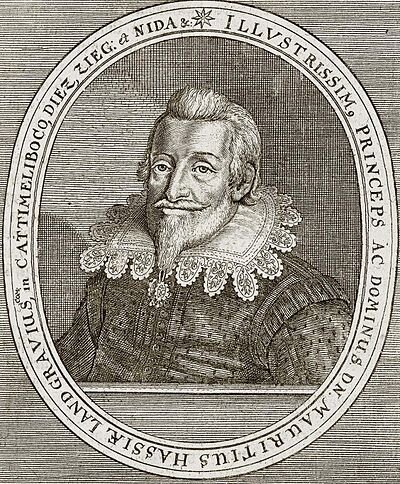
Moritz, Landgraf von Hesse-Kassel
This week’s Early Music Monday post comes from Kassel, Germany! Landgrave Moritz of Hesse-Kassel was patron to Heinrich Schütz and John Dowland (among others), built the first permanent theater in Germany, and liked to stir up religious controversy.
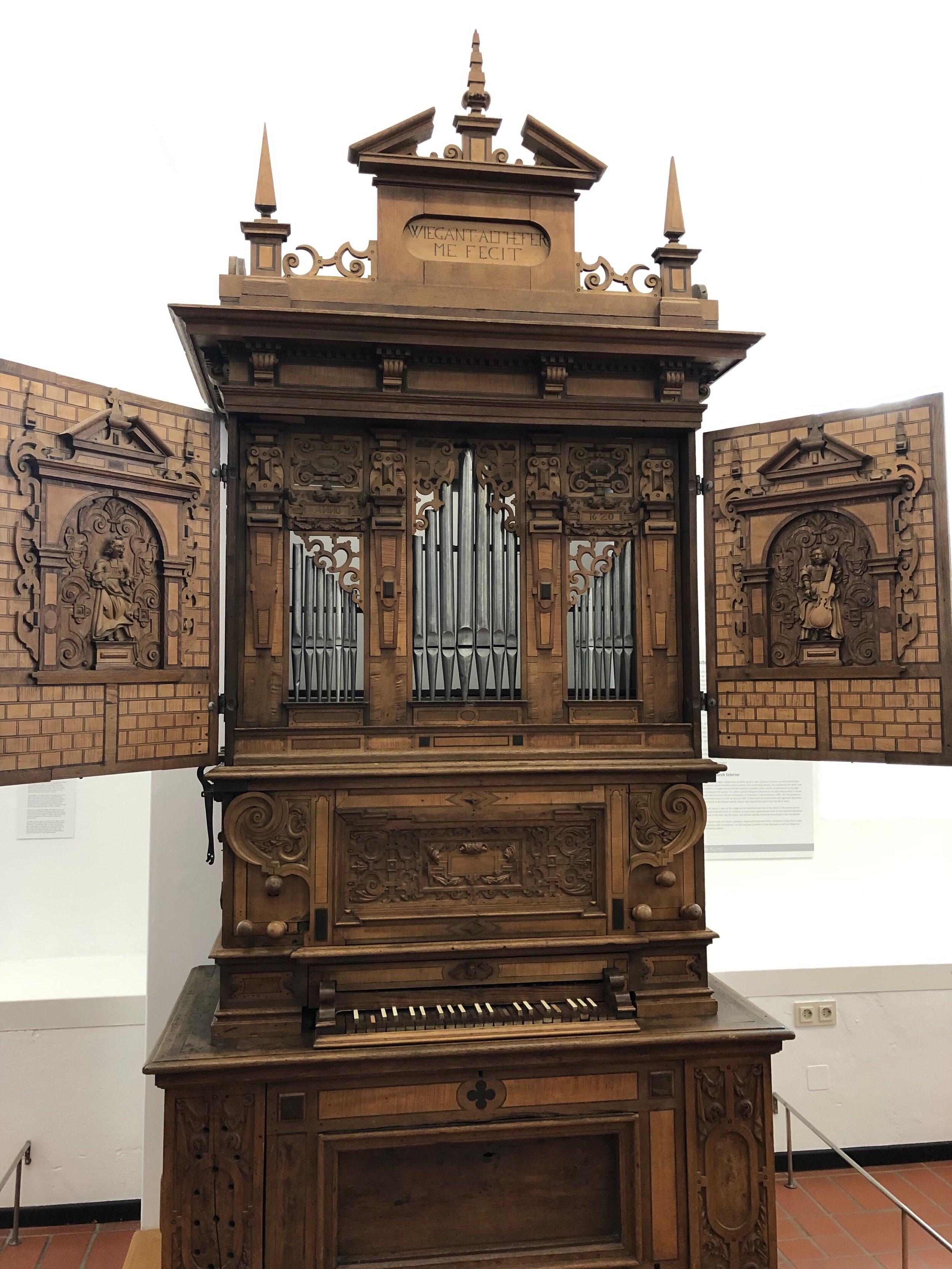
Early Organs in Marburg
This week’s Early Music Monday post comes from Marburg, Germany! This organ from the early 1600s is on display in the Museum für Kunst und Kulturgeschichte at the Landgrafenschloss (Museum for art and cultural history at the Landgrave’s Castle). Read more about this amazing instrument in the explanatory notes below!

Artusi vs. Monteverdi - "Get off my lawn!"
Remember the terms “prima” and “seconda practica”? Just want the dirt on another early music controversy? Early Music Sources has a fantastic video on the Artusi/Monteverdi squabbles!
Alessandro Stradella
Life goals of Alessandro Stradella:
- embezzle money from church
- have affair with a student (who is also your employer’s mistress)
- become an excellent Baroque composer, so good that Handel plagiarizes your work
- be stabbed to death

Ostinato
This week Early Music Monday talks about ground bass. Frequent compositional technique, favorite of Pachelbel, and the basis for some of the best pieces in the Renaissance and Baroque periods!

Ground bass from Dido’s Lament (Purcell)
BWV

John Blanke
Think that Music History is only about white men? Remember that history is written by the victors, and meet John Blanke, a black trumpeter in the royal courts of Henry VII and Henry VIII.
Composers of "The Triumphs of Oriana"
“The Triumphs of Oriana” included works by 23 different English composers, including Thomas Tomkins, Thomas Morley, John Farmer, John Wilbye, and Thomas Weelkes, and was based on “Il trionfo di Dori”, an Italian collection from 1592.